
Sanitizing or Disinfecting? Here’s What You Need to Know

When it comes to keeping our homes, offices, or commercial spaces clean, many people use the words sanitizing and disinfecting interchangeably. However, these two cleaning processes have important differences that affect how effectively germs, bacteria, and viruses are removed from surfaces. Understanding what sets them apart helps you choose the right cleaning method for every situation—especially when health and safety are priorities in home sanitation.
What Is Sanitizing?
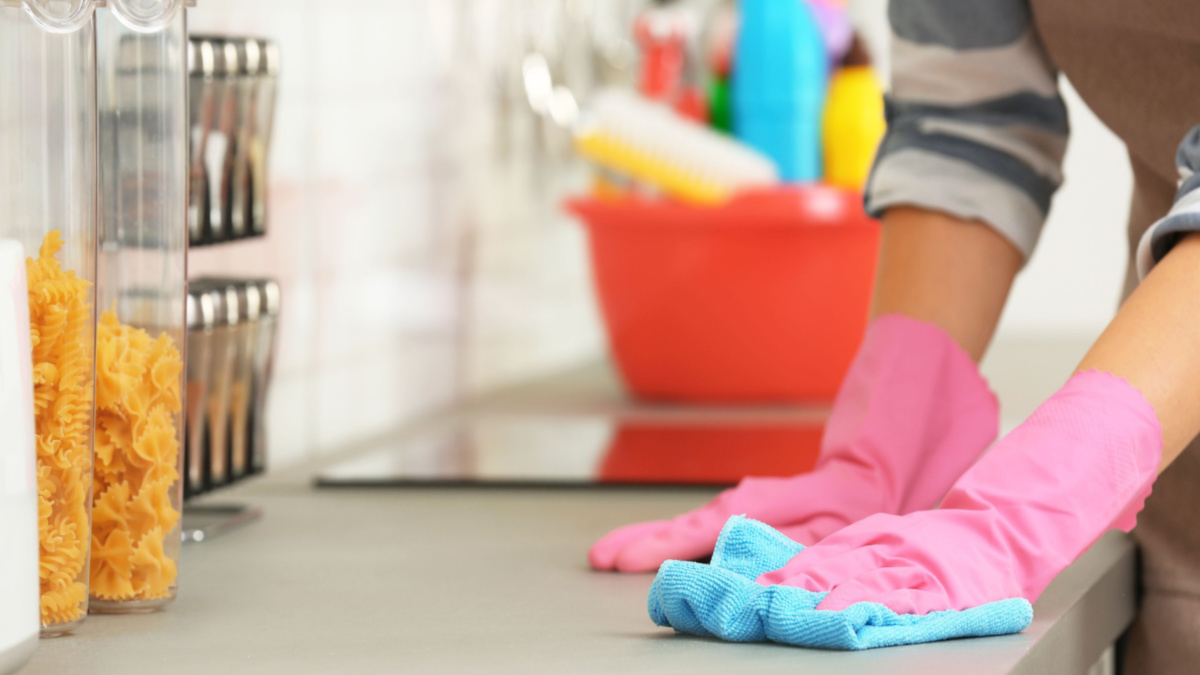
Sanitizing is the process of reducing the number of germs on a surface to a safe level, as determined by public health standards. It doesn’t necessarily kill all germs but lowers them to a point that minimizes the risk of spreading infections.
Sanitizing is often done in places like kitchens, schools, and restaurants where surfaces come into contact with food. The goal is to make surfaces safe for everyday use rather than completely sterile. For example, sanitizing a kitchen countertop after cooking helps reduce bacteria that could lead to foodborne illnesses.
Common sanitizing agents include mild bleach solutions, alcohol-based sprays, and products labeled as “sanitizers.” Regular sanitizing is an important step in home sanitation, as it helps control bacteria that commonly accumulate on surfaces used daily.
What Is Disinfecting?
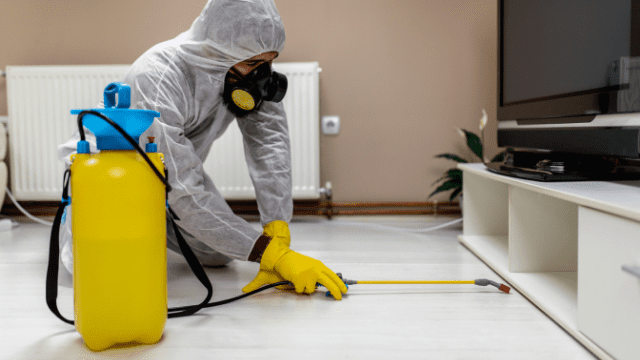
Disinfecting goes a step further than sanitizing. It destroys almost all viruses, bacteria, and fungi on surfaces. Disinfection is especially important in areas where harmful germs are likely to be present, such as bathrooms, hospitals, and places with high-touch surfaces like doorknobs and light switches.
Disinfectants are stronger chemical solutions that must be used according to the manufacturer’s instructions to be effective. They often need to sit on the surface for a certain amount of time—called the contact time—to fully kill pathogens.
Common disinfectants include hydrogen peroxide, bleach-based products, and EPA-registered disinfecting sprays or wipes.
When Should You Sanitize and When Should You Disinfect?
Choosing between sanitizing and disinfecting depends on where you are cleaning and what type of germs you are trying to control.
-
Sanitize: Use this method for areas that come into contact with food, such as countertops, dining tables, or cutting boards. It’s also suitable for everyday cleaning tasks where the risk of serious contamination is low.
-
Disinfect: Choose this method when cleaning areas exposed to illness, such as bathrooms, medical spaces, or high-traffic zones. During flu season or after someone in the household has been sick, disinfecting is the safer choice.
In some cases, a combination of both methods is best—clean the surface first, sanitize for daily maintenance, and disinfect when necessary to maintain good home sanitation standards.
The Importance of Cleaning Before Sanitizing or Disinfecting
Before you sanitize or disinfect, it’s essential to clean the surface with soap and water. Cleaning removes dirt and debris that can block disinfectants and sanitizers from working properly. Without cleaning first, the chemicals may not reach the germs effectively.
Safety Tips When Using Sanitizers and Disinfectants
-
Always follow the label instructions for dilution and contact time.
-
Avoid mixing different cleaning products, especially those containing bleach and ammonia.
-
Ensure good ventilation while cleaning to prevent inhaling fumes.
-
Wear gloves to protect your skin from irritation.
-
Store chemicals out of children’s reach.
Conclusion
Both sanitizing and disinfecting play vital roles in maintaining a clean and healthy environment. Sanitizing helps keep daily-use surfaces safe, while disinfecting ensures harmful pathogens are eliminated when extra protection is needed. Knowing when and how to use each method helps prevent illness and promotes a healthier home or workplace. By applying the right cleaning practices, you not only keep your surroundings spotless but also protect everyone who uses the space.
References
Cleaning and Disinfecting Your Home
What’s the Difference Between Cleaning, Sanitizing, and Disinfecting?
Understanding Cleaning, Disinfecting, and Sanitizing
Sanitizing vs. Disinfecting: What’s the Difference and When to Do Each.


Leave a Reply
Want to join the discussion?Feel free to contribute!